
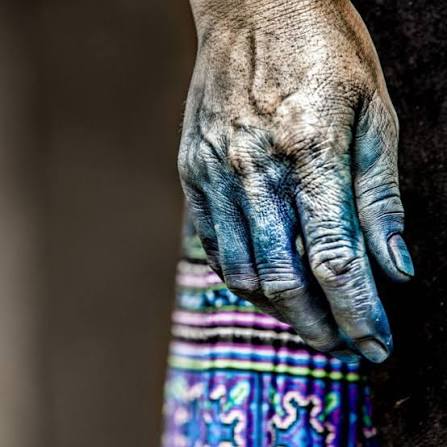
ELUKAMI or "Indigo Fingers"
As we recognize Juneteenth and reflect on the ongoing journey toward freedom, it is important to recognize not only the resilience of Black Americans but also the cultural traditions, knowledge, and contributions that have endured through generations. One such tradition is Elukami, or "Indigo Fingers," a powerful symbol rooted in the history of the Gullah Geechee people.
Who Are the Gullah Geechee?
Gullah Geechee culture remains one of the most well-preserved African diasporic cultures in the world and serves as a living connection to the ancestors who survived slavery while maintaining their identity and traditions.
The Gullah Geechee are descendants of enslaved Africans who lived and worked in the coastal regions and Sea Islands stretching from North Carolina through South Carolina and Georgia to northern Florida. Due to the geographic isolation of these communities, many African cultural traditions, languages, agricultural practices, spiritual beliefs, and artistic expressions were preserved in ways unlike anywhere else in the United States.
The Gullah Geechee people are known for maintaining a distinct creole language, rich storytelling traditions, basket weaving, fishing practices, cuisine, music, and spiritual customs that reflect their West and Central African heritage.
Why Indigo Matters
Long before cotton dominated the Southern economy, indigo was one of the most profitable crops in colonial America. The plant was used to produce a highly valued blue dye that was exported around the world.
Enslavers specifically sought Africans from regions where indigo cultivation was already practiced because of their expertise in farming, irrigation, and dye production. The agricultural knowledge possessed by these individuals significantly contributed to the success and profitability of indigo plantations throughout the Lowcountry.
However, the work was physically demanding and often dangerous. Workers spent long hours harvesting indigo plants and processing them in large fermentation vats to extract the blue dye. Throughout the process, the dye would stain their hands and fingertips a deep blue color.
The blue stains left behind on their hands became a visible reminder of their labor, resilience, and connection to their ancestors.
Indigo, Spirituality, and Protection
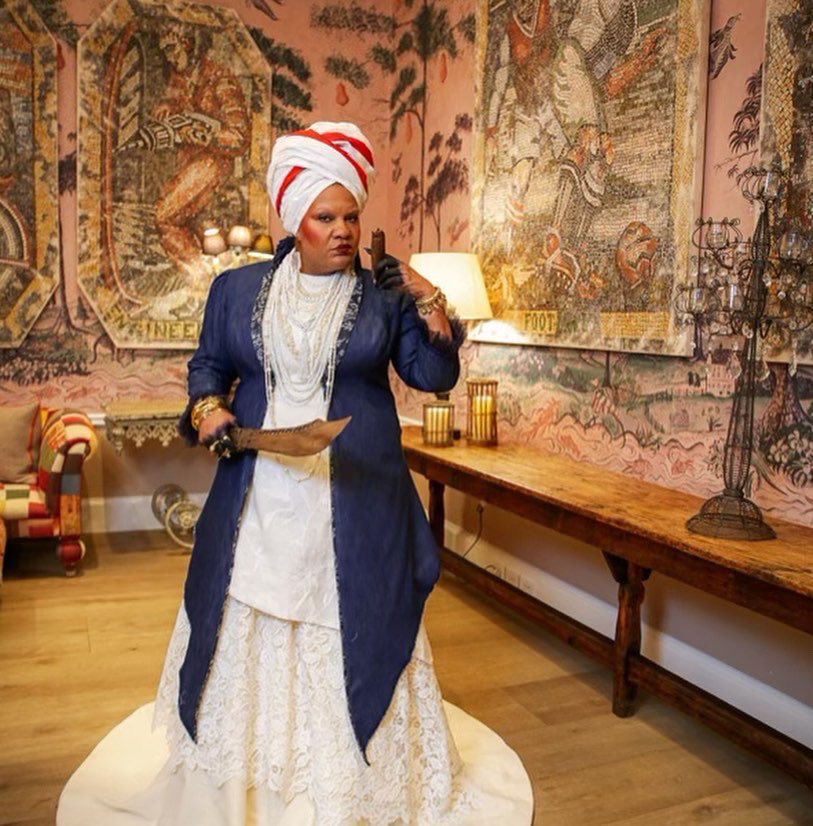
The spiritual significance of indigo reminds us that cultural traditions often carry meanings far deeper than what appears on the surface. Beyond its agricultural roots, indigo and the color blue hold deep significance in Gullah Geechee and Hoodoo traditions, often symbolizing protection, healing, and ancestral connection.
Visitors to the South may recognize "haint blue" porch ceilings and doors—a tradition rooted in Gullah Geechee beliefs that the color wards off harmful spirits and protects the home. This practice has endured for generations and can still be found throughout coastal communities today.
Preserving a Living Culture
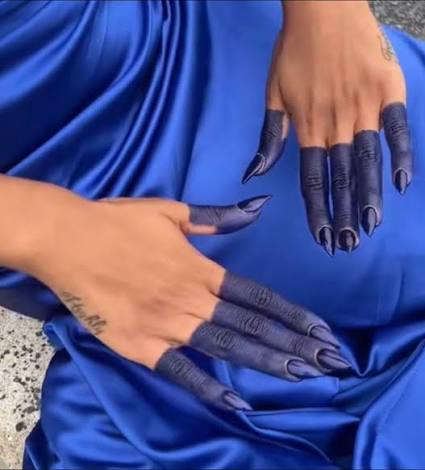
Indigo staining of fingertips is a form of Black American body art and cultural expression, known as Elukami, to serve as a visible reminder of ancestral sacrifice and legacy.
Today, the heritage of indigo is kept alive by contemporary Gullah Geechee fiber artists, farmers, and cultural practitioners. Through educational workshops and textile arts, modern artists honor their ancestors' labor and wisdom by continuing to grow, harvest, and dye with natural indigo.
History lives in more than books - it lives in traditions, stories, art, and the ways we choose to remember. Happy Juneteenth❤️💚🖤
Why this matters on Juneteenth
Juneteenth is an opportunity to honor the knowledge, traditions, and cultural contributions that survived despite centuries of oppression. It lives in language, art, food, faith, traditions, and the ways communities choose to remember their ancestors.
As we celebrate freedom and reflect on the journey toward it, may we also honor the knowledge, contributions, traditions, and sacrifices of those who came before us.
What is a piece of your family's history or culture that you're proud to carry forward?